Published 2026-03-24.
robotics collection.
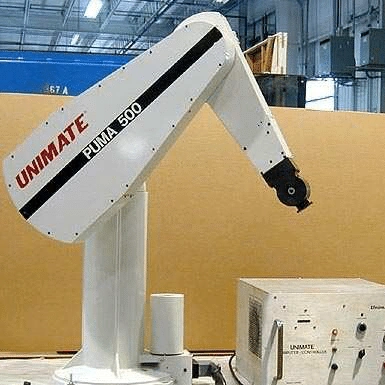
My first-hand experience of working with a robot was in 1980, after graduating from Carleton University with an Electrical Engineering degree. I learned that the Engineering department had a Puma Unimation robot arm, unused, in a locked room that no-one visited. It was simple to access because no-one else was booking time with it. This robotic arm robotic arm had six degrees of freedom. It was designed for assembly tasks and became widely used in industrial applications during the 1980s.
This robotic arm moved slowly and was simple to operate, however it was quite crude.
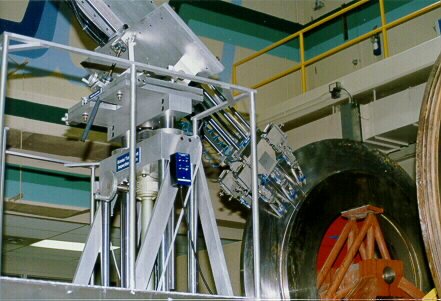
In 1988 I wrote the software for the graphics subsystem of a giant robotic arm for non-contact inspection of nuclear reactors for Ontario Hydro.

Willow Garage of Silicon Valley (Menlo Park) developed the Robotics Operating System (ROS) from 2007 to 2013. In 2008, I was fortunate to be a contractor, tasked with developing the mission planning software for an autonomous boat. The founder, Scott Hassan, was interested in developing personal robots. Willow Garage employed 65 PhDs at that time. PR1 (and later, PR2) robots were everywhere in the office; however they were in pieces most of the time.

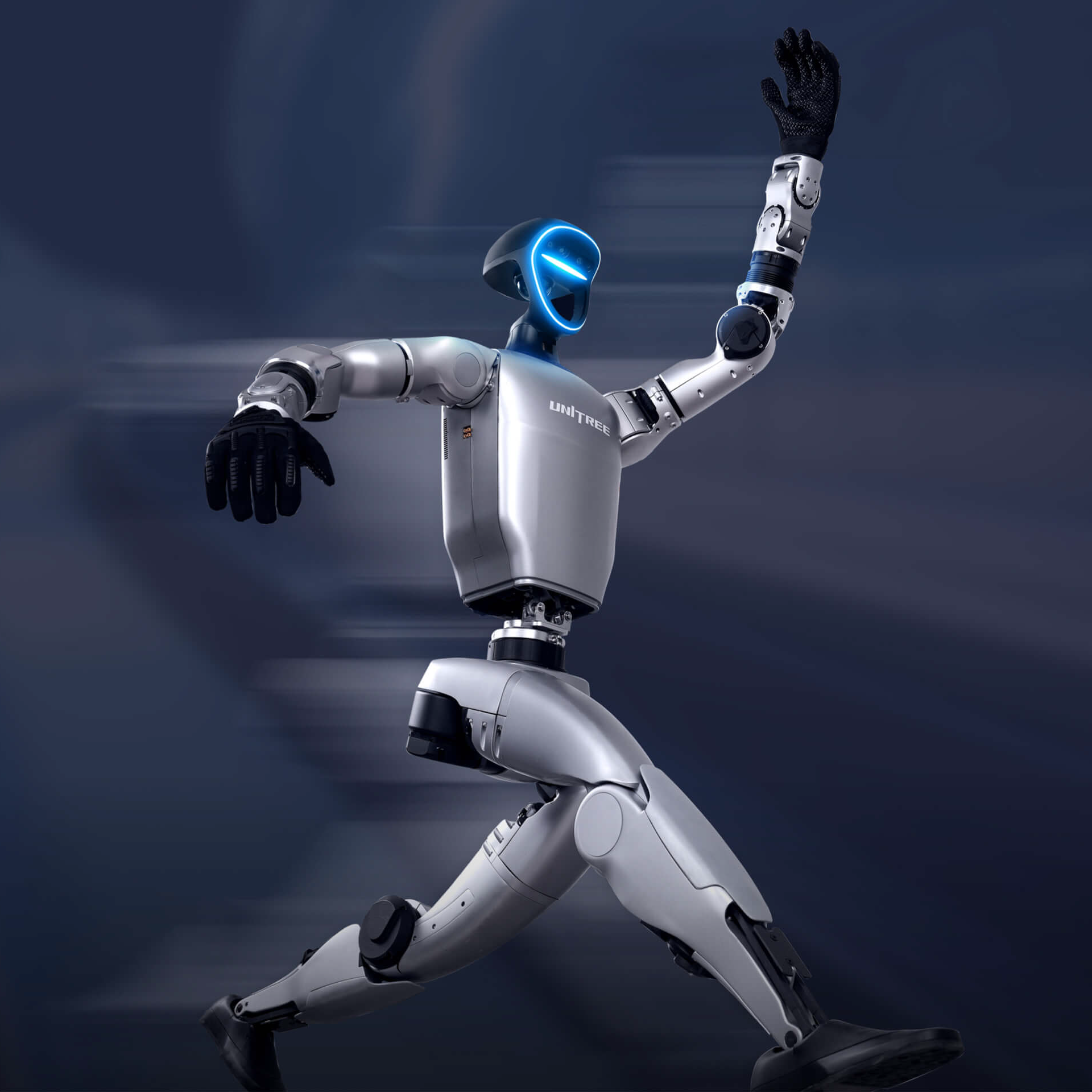
In 2025, the Unitree company of China shipped 5,500 G1 personal robots, at an average price of $16,000 USD. This humanoid robot is designed for household assistance (cleaning, tidying, folding laundry, trash removal, setting tables, and opening fridges). It learns movements in real-time by watching humans and copying them.
The Unitree G1 can also play piano well, when equipped with appropriate hands. The Unitree Dex5-1, 5-finger hand, is the best choice for musical tasks. It features 20 degrees of freedom per hand (16 active and 4 passive). Its five-finger design and 12-joint architecture allow it to mimic human hand movements closely, which is critical for complex piano chords and scales. Tactile feedback is also important for playing musical instruments, and costs extra.
The hands are a significant portion of the cost of the robot. The base Unitree G1 EDU model provides the ability to learn by watching a human robot; it does not have special hands and costs $43,900 – $62,700 USD. The Unitree G1 EDU Ultimate D Humanoid Robot Tactile Dexterity with Dex5 hands and tactile feedback costs ~$77,000 USD ($105,571 CAD).